
Water holds mysteries both beautiful and fearsome, cradling life yet capable of catastrophic force. It’s a paradox of liquid power: a serene surface that conceals an unimaginable energy surge, poised to release. Few natural events embody this duality quite like a tsunami, a silent swell that turns devastating. On December 26, 2004, the Indian Ocean Tsunami brought this force into tragic focus, claiming around 230,000 lives across 14 countries and marking the first major global disaster of the 21st century. The event, still one of the deadliest in recent memory, left us with profound lessons about the power of nature, community resilience, and the importance of preparedness. As we mark World Tsunami Awareness Day, we honor these lessons. How can this legacy empower the next generation to understand, respect, and prepare for the ocean’s most dramatic surges?
I. Inside the Surge: Unraveling the Science of Tsunamis
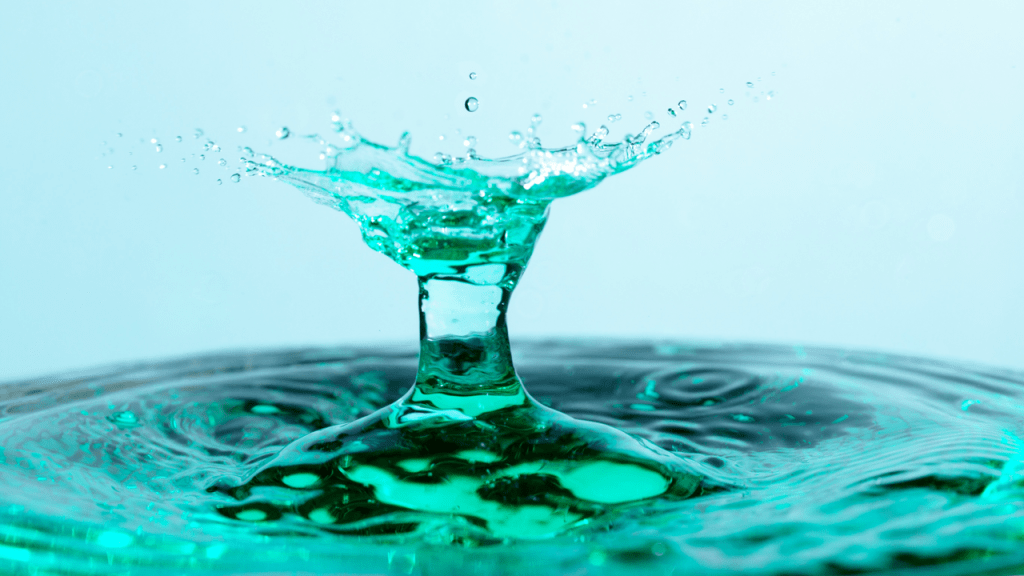
Tsunamis emerge from an extraordinary chain of natural forces. Deep beneath the ocean, tectonic plates—vast slabs of Earth’s crust—press against each other until one finally shifts, displacing an immense volume of water. Picture a giant, underwater push that radiates waves in all directions, like ripples spreading outward from a pebble dropped in a pond.
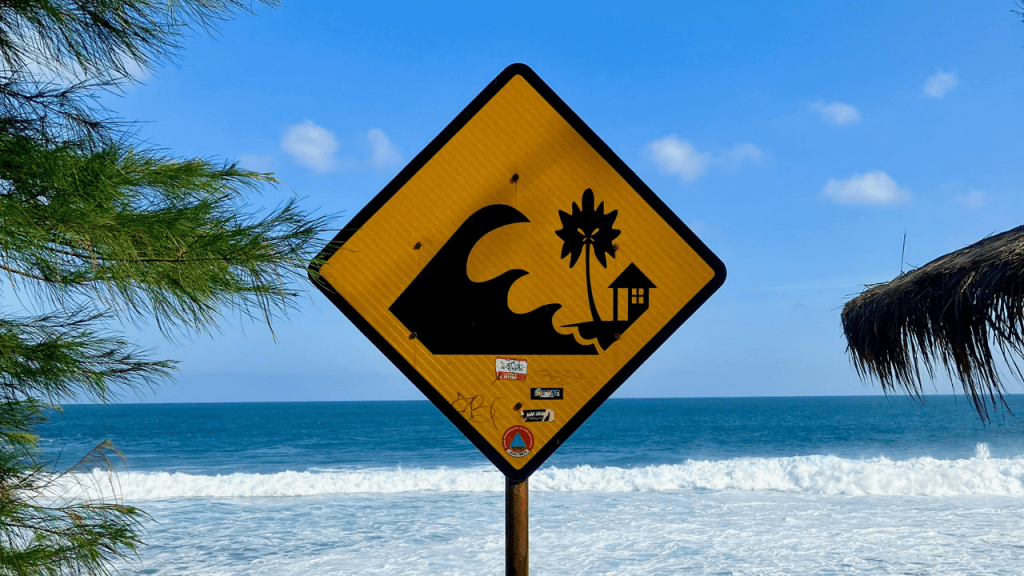
These waves travel deceptively fast and low in open water: up to 500 miles (800 kilometers) per hour, nearly the speed of a commercial jet. It’s only as they approach shore, where the seafloor rises and compresses the water, that they crest skyward and release their energy on the coastline. This process showcases core fluid dynamics principles: wave propagation (the swift, unrelenting spread of a ripple morphing into a wall of water), momentum transfer (the energy propelling the surge forward), and energy dissipation (interactions that gradually weaken the waves over time).
Right before a tsunami hits, nature offers an eerie signal: the ocean retreats from the shore, as if it’s gathering strength for the strike. This phenomenon, known as drawback, results from the powerful pull of water into the incoming wave, a kind of ominous inhale before a powerful exhale. It’s a haunting reminder of the paradox of water, holding both calm and chaos within its depths.
II. Global Ripples: How a Tragedy Sparked Preparedness
While the 2004 tsunami’s physical waves eventually subsided, its impact sent lasting ripples worldwide, sparking action on an unprecedented scale. Recognizing the urgent need for effective warning systems, countries around the globe invested in seismic sensors, ocean buoys, and satellite networks to detect early signs of tsunamis. These systems are designed to issue alerts instantly, providing crucial time to warn communities at risk. But building true resilience goes beyond technology; it requires policy, education, and empowered citizens.
In fluid dynamics, even a small change can reshape an entire flow, just as the 2004 tsunami reshaped global approaches to disaster preparedness. Communities have become like interconnected streams, merging resources and knowledge in response to the tragedy. For these efforts to succeed, awareness must be ingrained in everyday life. This means rethinking warning systems, creating automatic responses, and engaging citizens to act without hesitation. It’s about learning to flow with nature’s rhythms, predicting her surges and, where possible, channeling her energy away from harm.
III. Next Gen Ready: Building a Future That Flows with Resilience
Awareness is the first wave of resilience, but real strength lies in the imagination and creativity that follow. Today’s youth are vessels of resilience, shaping the new flow of awareness and safety. This generation has the chance to reimagine preparedness, finding dynamic ways to live in harmony with nature’s immense forces. From virtual reality simulations that allow students to safely experience a tsunami’s effects to interactive workshops that teach life-saving techniques, young people today are embracing preparedness as a form of empowered possibility. Consider the dynamics of a current, how it constantly moves, redistributes energy, and evolves. Young people today embody this fluid potential, acting as “resilience channels” that direct efforts toward safety and sustainability.
Imagine an adaptive warning system powered by AI, capable of predicting not only the location of a potential tsunami but also its ripple effects across surrounding areas, adjusting evacuation routes in real time as conditions change. Such a system could ripple out warnings, branching like currents as it adapts to shifting tides, guiding communities to safer zones with each new pulse. Envision dynamic community response maps that use augmented reality to reveal real-time escape routes, marking safe zones visible only through a phone’s screen. This technology could visualize the terrain’s safest points while superimposing visible cues that guide people to higher ground.
In communities where resources are scarce, resilience isn’t just a response to disaster; it’s a way of life. By building multi-purpose spaces that serve daily needs and double as safe havens, or creating networks that blend traditional knowledge with new tools, communities can foster a sustainable approach to both everyday challenges and emergency preparedness. Resilience hubs, floating resource stations, and community-driven maps and workshops all offer practical solutions that empower residents, nurturing skills and knowledge that flow through daily life and rise to meet moments of crisis.
As they learn about these systems, young people can shape them, ensuring they evolve as the world and its landscapes shift. Creativity is the lifeblood of resilience; the more we inspire innovation, the more adaptable our response becomes, flowing with change rather than fighting against it.
Conclusion: Turning the Tide, Toward a World Resilient by Design
The 2004 tsunami taught us that water, like life, holds powers both graceful and overwhelming. Through knowledge, policy, and preparation, we can create communities that move with resilience, adapting to nature’s rhythms and anticipating its shifts. As the next generation takes these lessons forward, they embody an invisible tide, one that rises not to overwhelm but to protect. Understanding tsunamis is about more than studying nature’s fury, it’s about transforming this knowledge into channels of safety, collective strength, and community readiness.
Each new wave of awareness, education, and empowerment strengthens this tide, creating a world that flows together in resilience. Resilience itself is a kind of hidden undercurrent that bolsters communities unseen but ever-present, binding people in unity against nature’s forces. By embracing these lessons, we can turn fear into knowledge, uncertainty into action, and vulnerability into a collective force for good.
💧 Flow Check 💧
Let’s ride the waves of resilience with some core fluid dynamics principles that shape tsunamis and our response to them:
- Wave Propagation: The rapid spread of energy through the ocean, powering the tsunami’s movement at jet-like speeds.
- Momentum Transfer: How the ocean’s mass propels the wave forward with immense force, carrying it to shore.
- Energy Dissipation: The gradual weakening of waves as they interact with the coastline.
- Drawback Phenomenon: The eerie shoreline retreat before impact, signaling a massive wave in motion.
🌊 Rogue Wave 🌊
Ready to channel resilience like a pro? Dive into these unexpected ways to build a wave of preparedness:
- Imagine you’re the “early warning system” for your community; what’s one creative way you could alert everyone if a natural disaster was on the horizon?
- Could you design a mini “drawback” signal in your backyard, perhaps with sensors or simple gadgets, to demonstrate how nature gives us hints before striking?
- Consider your “personal tsunami” moment; what’s a time when you felt overwhelmed, and how did you find calm in the chaos?
- If you could add one feature to improve natural disaster preparedness in coastal areas, what would it be? Picture something both functional and deeply inspiring!
Dive Deeper
Social Currents:
- World Tsunami Awareness Day 2024 – Empowering the next generation with the lessons of the 2004 Indian Ocean Tsunami
- Mariana Lenharo (2024, October 30). How to recover when a climate disaster destroys your city. Nature.
- Helen Burchell (2024, November 2). Valencia floods: ‘Like a tsunami down the mountain’. BBC.
- Matt McGrath (2024, October 30). Scientists say climate change made Spanish floods worse. BBC.
- Alexandra E. Petri and Hisako Ueno (2024, September 23). Earthquake Off Japan Coast Triggers Tsunami Advisory. The New York Times.
- Damian Carrington (2024, September 12). Entire Earth vibrated for nine days after climate-triggered mega-tsunami. The Guardian.
- Carolyn Y. Johnson (2024, June 7). Scientists map one of Earth’s top hazards in the Pacific Northwest. The Washington Post.
- Diana Leonard (2022, March 13). U.S. tsunami warning system needs major overhaul, report says. The Washington Post.
Fluid Dynamics:
- TED-Ed (2014, April 24). How tsunamis work – Alex Gendler
- Riddle (2020, August 16). How Giant Tsunamis Work?
- BBC (2011, March 14). How earthquakes trigger tsunamis
- funsciencedemos (2015, March 9). What Causes A Tsunami?
Photo by Jeffrey Thümann on Unsplash.
This article was crafted with a touch of AI to bring fluid dynamics to life.

 Rogue Currents
Leave a comment