
Look into a body of water on a crisp autumn day; what do you see? A perfect reflection of the world above or a shimmering, distorted version where reality seems just a little off? At first glance, water may appear to mirror the world flawlessly, but it’s far more dynamic than that. It isn’t just reflective; it constantly shifts between clarity and distortion, creating illusions that trick the eye. At the boundary between air and water, light and fluid dynamics waltz together, bending reality in mesmerizing and unexpected ways.
Let’s explore the rippled world of water’s reflections, where light bends, refracts, and occasionally lies.
I. Where Light and Liquid Collide
Imagine standing by a calm lake on a cool autumn afternoon, the air brisk against your face. The surface reflects the gold and red leaves above, casting their mirrored image so clearly it seems almost tangible. But this moment of stillness is fragile. A single gust of wind, a leaf falling into the water, or a fish breaking the surface can send ripples cascading across the lake, distorting the scene.
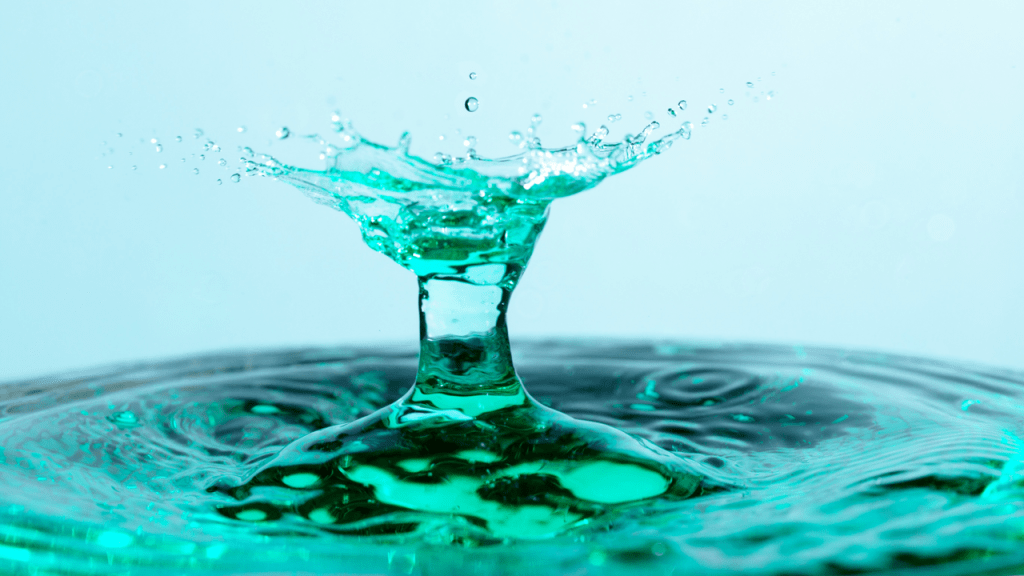
In each ripple, water reveals its true nature: a restless medium that sculpts and distorts light with every subtle sway. Surface tension, like an invisible elastic layer, holds the water molecules together, allowing for these mesmerizing distortions. Surfactants, whether from algae or traces of sunscreen left behind from warmer times, further influence the surface. They reduce surface tension, flattening some ripples while creating others, making the reflection even more unpredictable. As the sun’s rays bounce off the surface, light and molecules compete for control, shifting the reflection in subtle, almost playful ways.
II. Transparency and Shifting Perceptions
Now, picture yourself by that same autumn lake, the sun filtering through amber and crimson leaves, casting warm light across the water’s surface. As you peer deeper, something changes. What seemed like a perfect reflection fades, revealing the lake’s pebbled bottom. But as you move, the depth plays tricks on your eyes: one moment, the bottom feels within reach; the next, it seems elusive, as though the water is hiding it in plain sight.
Water’s color adds to this illusion. Depending on what’s below, it can appear clear, blue, or brown. Sunlight scattered by water molecules gives it a blue tint, while algae or sediment can turn it green or murky. These subtle shifts in color, blended with reflections, create a kaleidoscope of perceptions that blur the line between transparency and opacity.
Clarity isn’t simple either. What’s suspended in the water—minerals, algae, or invisible surfactants—can alter the view. At times, the lakebed is crystal clear; other times, it’s veiled by the water’s secrets. As light penetrates the surface, the boundary between reflection and transparency blurs, giving glimpses of both the mirrored world above and the mysterious depths below.
III. Refraction and Depth Illusions
As you gaze into the water, trying to gauge its depth, something feels off. The lake seems deceptively shallow… until you step closer and realize it’s much deeper than your eyes led you to believe. This illusion is crafted by the bending of light, known as refraction, as it passes from air into water, distorting your sense of depth.
A simple test can reveal this trick: dip a stick into the water, and it will appear bent or broken at the surface. This bending occurs because light slows down and shifts direction as it enters the water. The same effect distorts how you perceive the lake’s depth, what looks shallow may hide a much deeper reality beneath. Refraction is a subtle magician, bending light to its will, tricking our perceptions, and turning what we see into something both familiar and strangely deceptive. Water doesn’t just reflect passively, it actively sculpts what we see, blending the real with the imagined, making every glance into its depths an exercise in wonder.
Conclusion: Beyond the Surface, A Fluid Reality
Water’s reflections may seem simple at first, but beneath the surface lies a world of complexity. Every ripple, every shimmer results from the intricate interplay between light, surface tension, and refraction. Water isn’t just reflecting the world, it’s reshaping it in real time, bending light and distorting reality as it flows.
The next time you catch your reflection in a lake or pond, remember: what you’re seeing isn’t a static image. It’s a living reflection, shifting with the wind, waves, and hidden forces below the surface. Water reminds us that nothing—not even our reflections—is ever quite what it seems.
💧 Flow Check 💧
Before you let your reflection fade, remember these key concepts:
- Surface Tension: The invisible elastic force that holds water molecules together, allowing ripples to sculpt and distort light.
- Refraction: The bending of light as it passes from air to water, creating depth illusions and shifting perspectives.
- Transparency: How suspended particles and light interaction can blur the line between what’s reflected and what’s beneath.
🌊 Rogue Wave 🌊
Water may seem like an honest mirror, but it’s full of tricks. Ready to challenge your perception? Try these:
- Ever wonder if a reflection can lie? Find a pond or puddle, and see if you can spot where the world above starts to ripple and distort.
- Got a stick? Dip it into the water and watch the magic of refraction bend it like a sorcerer’s spell. How deep does it really go?
- Take a stroll along a body of water at sunset. Notice how the colors ripple and distort; does the water seem to paint its own version of the sky?
- Try capturing the perfect reflection in your phone’s camera. Is it ever truly perfect, or does water have its own hidden agenda?
Dive Deeper
Social Currents:
- Eromo Egbejule (2024, October 11). Dramatic images show the first floods in the Sahara in half a century. The Guardian.
- Chloe Hughes and Navtej Johal (2024, September 20). Cinnamon the capybara captured in pond. BBC.
- Sara Ruberg (2024, July 26). 130 Years After Sinking, Ship is Found on the Bottom of Lake Michigan. The New York Times.
- Lois Beckett (2024, May 31). California lake so green with algae it’s visible from space, says Nasa. The Guardian.
- Lia Picard (2024, May 25). Come On Over, I Just Installed a Pond. The New York Times.
- Rebecca Carballo (2023, November 11). A Pond in Hawaii Turned Pink, Raising an Environmental Red Flag. The New York Times.
- Bridget Reed Morawski (2023, July 5). How to build the backyard frog pond you didn’t know you needed. The Washington Post.
Fluid Dynamics:
- Freesciencelessons (2018, January 14). GCSE Physics Revision “Required Practical 8: Ripple Tank”
- Be Smart (2022, March 3). The Magic (and Mystery) of Mirrors
- Harvard Natural Sciences Lecture Demonstrations (2020, April 1). Total Internal Reflection in Water “Bucket of Light”
- Hayden Pedersen (2018, October 9). QUICK Water Reflection Photography TRICK
Photo by Kelsey He on Unsplash.
This article was crafted with a touch of AI to bring fluid dynamics to life.

 Rogue Currents
Leave a comment