
Picture this: you’re at a party, soda bottles scattered across the table. Someone with a grin of mischief picks one up, blows across the top and… “whoooom”, out comes a low resonant note. The room falls silent for a second before people start experimenting with their own bottles. High notes, low notes: a cacophony of impromptu bottle music fills the air.
But what they don’t realize is that they’re tapping into more than just fun, they’re unlocking the hidden mechanics of sound. From the gentle hum of a bottle to the howling wind in alleyways, fluids like air shape the everyday symphony around us. Let’s explore this surprising world, where fluid dynamics quietly composes the soundtrack of our lives.
I. Bottles as Wind Instruments: Playing Helmholtz’s Tune
Blowing across the top of a bottle seems like magic: one minute it’s silent, the next it’s singing. But behind the scenes? It’s Helmholtz resonance taking the stage. Named after a 19th-century German scientist who might’ve enjoyed a good tune, Helmholtz resonance explains why air vibrates inside a cavity, like the hollow of a bottle, and produces sound.
Here’s how it works: when you blow across the top at just the right angle, you’re sending a rush of air that splits at the edge of the bottle’s opening. The blowing direction is key: too direct and you’ll send air straight across without much effect, but at the right angle, part of the air escapes while the rest tumbles inside, compressing, expanding, and bouncing around like a restless concert crowd. These vibrations inside the bottle resonate, forming a note.
The geometry of the bottle also plays a vital role. The size of the air cavity determines the pitch. A larger bottle? It’s got more room to rumble, so it produces a deeper sound. A smaller bottle? It’s like a flute chiming in with a higher pitch.
Think of it like this: each bottle is its own miniature wind instrument, a personal symphonic bell where you’re the conductor, adjusting both the direction of your breath and the bottle’s shape to fine-tune the note.
II. From Bottles to Breezes: The Wind’s Mysterious Howl
If you thought the bottle’s note was intriguing, let’s take it a step further, beyond the party table and into the eerie whispers of nature. Ever hear the wind howl on a stormy night and wonder if you’re living in a horror movie? Spoiler: you’re not being haunted. That eerie howl is the result of air moving through narrow gaps, causing turbulence and pressure oscillations that lead to sound.
When wind squeezes through confined spaces—like between buildings or through a slightly open window—the flow of air becomes turbulent, creating swirling eddies and pressure changes. These tiny whirlpools of air trigger irregular oscillations in pressure, which we hear as that haunting howl. Sometimes, structures like the hollow of a chimney or an alley amplify these eerie tones, much like how a bottle amplifies its note.
And when wind passes around obstacles, like a tree or a pole, a phenomenon called vortex shedding comes into play. Here, alternating vortices form on either side of the object, creating rhythmic pressure fluctuations. This results in the low droning sounds we sometimes hear in wind-heavy areas, nature’s own spooky soundtrack.
III. Bubbling Bottles and Underwater Overtures
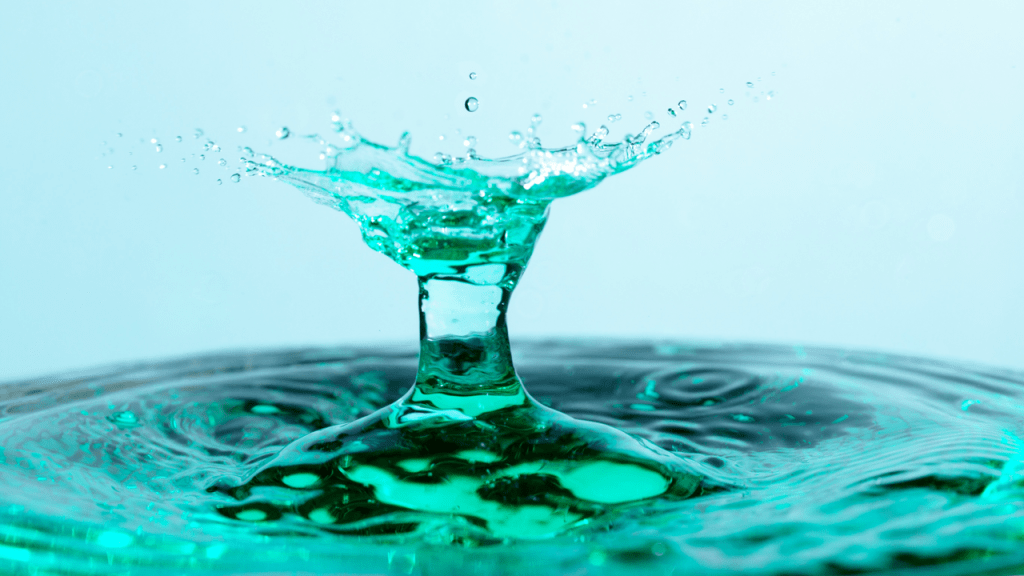
Let’s dive deeper, literally. Imagine a bottle half-submerged in water, letting out soft gurgles and pops. That sound? It’s fluid dynamics at play, turning everyday bubbles into an underwater overture. The bubbles form, rise, and burst at the surface, producing that delightful pop, all thanks to the delicate balance of surface tension and air pressure.
When bubbles form, they’re like mini percussion instruments, each creating sound as the air inside escapes. The larger the bubble, the deeper the pop; smaller bubbles produce higher-pitched tones. And if you’ve ever played with carbonated drinks, you’ll know that fizzy liquids are basically mini orchestras of bubbles, just waiting to escape. Each pop? A tiny note in a fizzy symphony.
But the concert doesn’t stop there. Underwater, the principles of fluid dynamics shape how sound waves move. Liquids are denser than air, so the speed of sound changes, creating an entirely different kind of concert beneath the surface. Dolphins whistle, whales sing, and the ocean becomes a vast aquatic concert hall. Next time you’re snorkeling, think of yourself as the audience in an underwater symphony!
Conclusion: The Hidden Symphony in Everyday Life
Whether you’re blowing into a bottle, listening to the wind outside, or playing with bubbles in your drink, you’re surrounded by music. And here’s the kicker, it’s all thanks to fluid dynamics quietly composing in the background. The next time you hear an everyday sound, remember: you’re not just hearing noise. You’re witnessing a symphony in motion, conducted by the invisible hand of science.
So, the world isn’t just filled with music, it’s made of it. Keep your ears open because if you listen closely, you’ll hear fluid dynamics at work everywhere. What will your next sonic experiment be? Could your soda bottle debut as a symphonic masterpiece? Or will the next windy day turn your windows into nature’s violin?
💧 Flow Check 💧
Feeling inspired by the symphony of sounds? Here’s a quick breakdown of the key fluid dynamics concepts at play:
- Helmholtz Resonance: The magic behind the bottle’s sound, where air vibrations inside a cavity produce musical notes.
- Turbulence & Vortex Shedding: The swirling winds that create eerie howls by generating pressure oscillations.
- Surface Tension & Air Pressure: The forces that shape bubbles into musical pops, turning everyday fizz into a symphony.
🌊 Rogue Wave 🌊
Ready to orchestrate your own fluid dynamics concert? Here’s your next quirky challenge:
- Find a set of bottles of different sizes and blow across the tops to create your own melody. How does bottle size change the sound?
- Listen to the wind on a blustery day. Can you hear the haunting tones of turbulence and vortex shedding at play?
- The next time you sip a carbonated drink, tune in to the fizz. Can you hear the bubbles’ tiny symphony?
- Here’s the real experiment: What unexpected places will you discover fluid dynamics turning everyday moments into music?
Dive Deeper
Social Currents:
- Anna Phillips (2024, September 24). Is plastic recycling beyond fixing? Here’s why California thinks so. The Washington Post.
- Hugh Schofield (2024, September 19). French dig team finds archaeologist’s 200-year-old note. BBC.
- Curtis Lancaster (2024, September 5). Glass bottle banks to be removed after misuse. BBC.
- Kelly Kasulis Cho (2024, July 2). Is there really such a thing as a healthy soda? The Washington Post.
- Dave McIntyre (2023, November 9). Winemakers are using lighter bottles to go green. The Washington Post.
- Kat Jones (2023, June 2). Scotland’s glass bottle deposit plan is being kicked down the road by warring politicians. The Guardian.
Fluid Dynamics:
- Steve Mould (2017, April 13). A better description of resonance
- RimstarOrg (2014, March 21). Why Blowing in Bottles Makes Sound and Helmholtz Resonance
- National Museum of American History (2012, May 8). Helmholtz Resonator
- The Action Lab (2021, April 7). Moving Things With Sound—Helmholtz Resonance Propulsion
Photo by Ratchapon Supprasert on Unsplash.
This article was crafted with a touch of AI to bring fluid dynamics to life.


 Rogue Currents
Leave a comment