
Ah, Friday the 13th. That infamous date when even the most logical among us might hesitate before stepping on a crack or walking under a ladder. There’s something in the air, an undercurrent of superstition that surges through society every time this ominous date rolls around. But have you ever stopped to wonder why these superstitions persist, or how they spread through society like a creeping fog of fear and fascination?
In 2024, the first Friday the 13th arrives fashionably late—September. The wait feels like the calm before a storm, building anticipation as the months tick by. It’s like watching a wave grow larger as it races toward the shore. This delayed arrival might even make the superstition feel stronger, like the year’s bad luck has been biding its time, preparing to unleash its full force. So, what drives this cultural phenomenon? The answer lies in the very thing that shapes our oceans and rivers—flow. Superstitions, it turns out, move through society much like a current, with waves of belief and fear rippling across our collective consciousness.
Let’s dive into the fascinating ways these ideas spread, build momentum, and sometimes, just like a gentle stream, fizzle out.
I. The Origins of Superstitious Waves
Friday the 13th superstitions didn’t start as a tidal wave. They began as tiny ripples, slowly spreading through centuries of lore. It wasn’t until the 19th century that the number 13 became infamous as an unlucky number. Combine that with the doom-laden reputation of Fridays (thanks to religious history and folklore), and you’ve got yourself a perfect storm for superstition. But how did this belief go from a drop in the bucket to the cultural ocean it is today?
Here’s where social diffusion comes into play. Picture a single drop of dye plopping into a glass of water. At first, it’s just a tiny dot of color, but over time, it spreads out, swirling and mingling with the clear liquid until the entire glass is tinted. That’s how superstitions work. A few people buy into the fear, and their beliefs slowly spread, coloring the perceptions of everyone around them. Suddenly, people are skipping flights, postponing weddings, and holding off on big decisions, just because of a date on the calendar.
But in 2024, the first Friday the 13th doesn’t come until September, creating a delayed ripple effect. Just like a river can take time to swell after a storm, the anticipation for this date might cause the superstition to hit with more force when it finally arrives. Will it be a flood of fear or just a light drizzle of bad luck? Only time will tell.
II. Wave Propagation of Ideas
Now that we’ve got our superstition flowing, let’s look at how it spreads through society in waves. You’ve probably seen it happen in real-time: One person mentions Friday the 13th at the office, and suddenly, everyone’s talking about it. This is classic wave propagation, like dropping a pebble into a pond, where each ripple represents a person who picks up the superstition and passes it along.
But not all waves are created equal. Some grow stronger and more widespread, while others peter out before they can reach the next shore. In the world of fluid dynamics, we call this amplification and damping. When an idea like Friday the 13th is amplified, it picks up speed as more people talk about it, building into a wave of cultural beliefs that can sweep through society. But sometimes, the wave meets resistance—maybe a particularly skeptical social circle or a viral debunking post—and it loses energy, damping the spread of the superstition.
Take, for example, the modern fear of technology malfunctions on Friday the 13th. Every year, there’s a flutter of concern that something will go wrong with our gadgets on this fateful day. Sometimes, the idea catches on, fueled by a handful of tech glitches or spooky coincidences, and the superstition spreads like wildfire. Other years, the idea barely makes a splash, and the fear fizzles out before it can take hold.
III. Cultural Flow and the Persistence of Belief
Superstitions don’t just propagate in waves; they also meander and evolve over time, like the flow of a winding river. As they move through society, they pick up new meanings, merge with other beliefs, and sometimes split into entirely new forms. This is what we call cultural flow.
Take the superstition around Friday the 13th, which has morphed from a vague fear of bad luck into a pop culture phenomenon, complete with horror movies and themed parties. It’s no longer just about avoiding misfortune; it’s about embracing the thrill of fear, leaning into the suspense, and celebrating the date as a cultural event.
But just like a river can carve deeper channels or fill in over time, superstition’s flow can either be reinforced or eroded. Feedback loops in society—where media coverage, social media trends, or personal experiences feed back into the superstition—can either strengthen or weaken its hold. For example, if a major event happens on Friday the 13th in 2024, you can bet that superstition will swell, carving a deeper channel in our cultural consciousness. But if the day passes quietly, without a hitch, the current might lose some of its force, gradually filling in with the sediment of rational thought.
Conclusion: Riding the Currents of Superstition
Superstitions like Friday the 13th are far more than just old wives’ tales, they’re cultural currents, moving through society like waves in an ocean. They spread through social diffusion, gain momentum through wave propagation, and evolve through cultural flow, influenced by the twists and turns of our collective beliefs.
With the first Friday the 13th arriving so late in the year, could 2024 be the year we see this superstition take on a new life? Will the delayed date make it feel more intense, causing the belief to ripple even further through society? Or will it fizzle out, dampened by the slow build-up and lack of excitement?
💧 Flow Check 💧
Before you leave this article, let’s quickly revisit how fluid dynamics helps us understand the spread of superstitions like Friday the 13th:
- Social Diffusion: Like dye dispersing in water, superstitions spread slowly at first, but gain momentum as more people adopt and share them.
- Wave Propagation: Just as waves ripple outward from a dropped pebble, ideas like Friday the 13th propagate through society, with some gaining strength while others dissipate.
- Cultural Flow: Superstitions evolve and change over time, much like a river winding through different landscapes, shaping beliefs as they move through society.
🌊 Rogue Wave 🌊
Before the next Friday the 13th rolls around, try this:
- Observe: How does the fear of Friday the 13th ripple through your social circles? Does the superstition grow stronger or fade as people discuss it?
- Question: Are you amplifying the superstition by sharing it, or are you damping its flow by challenging it with logic?
- Reflect: What other beliefs in your life flow like a current? How do they shape your actions and decisions?
Dive Deeper
Social Currents:
- Kori Rumore and Marianne Mather (2024, September 12). How the Anti-Superstition Society celebrated Friday the 13th. Chicago Tribune.
- Gabe Hauari and Kinsey Crowley (2024, September 12). Friday the 13th freebies: Feel lucky with deals from Krispy Kreme, Wendy’s. USA Today.
- Timothy Bella (2023, October 13). Friday the 13th and its history of Tupac’s death, Nazi bombings and covid-19. The Washington Post.
- NBC Sports (2024, September 5) The Cardigan Classic: Fallon vs. Khaled.
- The Infographics Show (2018, April 9). Why Are We Afraid of Friday the 13th and the Number 13?
Fluid Dynamics:
- Cognito (2020, January 15). GCSE Physics – Intro to Waves – Longitudinal and Transverse Waves
- Physics Demo (2016, September 8). Standing Wave Demo: Slinky
- igor30 (2014, April 28). Diffusion and Temperature: Water & Pen ink & Vinegar
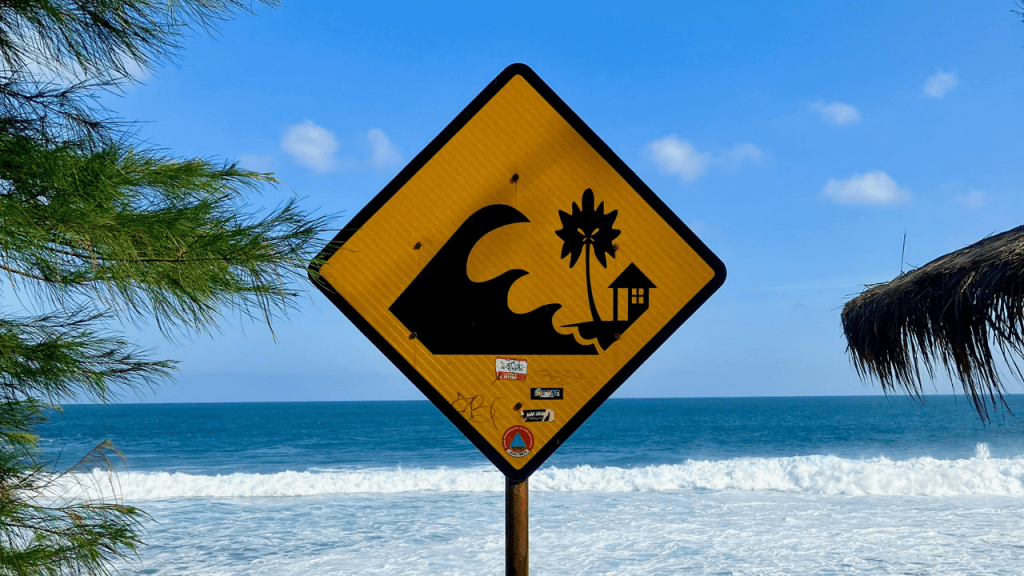
Photo by Carles Rabada on Unsplash.
This article was crafted with a touch of AI to bring fluid dynamics to life.



 Rogue Currents
Leave a comment