
Two candidates, two podiums, no props—just a pen, paper, and bottle of water each. The microphones cut off after two minutes, leaving no room for interruptions, and the absence of a live audience adds another layer of tension. Kamala Harris and Donald Trump are stepping into a tightly controlled debate that feels like a pressure cooker waiting to explode. Trump, having won the coin toss, will get the last word, but Harris, positioned at the right-side podium, faces a new challenge. The debate rules, crafted for Biden’s team, may not allow her to fully lean into her confrontational style. Both candidates are entering the kitchen, and the heat is rising—who will control the boil, and who will let the steam slip?
I. Boiling Points—Rising Heat in Real Time
With no opening statements, the debate jumps straight into the heat. Each candidate has only two minutes to answer, turning up the temperature from the very start. It’s not just about the words they choose, it’s about managing the pressure.
For Harris, it’s about adapting. She’s stepping into a format set by Biden’s team, with muted microphones limiting her ability to directly confront Trump as she would in a courtroom. Her team has expressed frustration with these inherited rules, feeling that they restrict her ability to fully showcase her prosecutorial strengths. Harris is like a kettle that’s slowly heating up: focused, deliberate, but trying to avoid whistling too soon. Her challenge? Letting the heat rise enough to make her case without boiling over too early.
Trump, on the other hand, is familiar with the heat. His style is more like a pressure cooker, building energy quickly and releasing it in forceful bursts. But this time, with microphones that mute him after two minutes, he’ll have to manage his outbursts carefully. If Trump can’t control the steam, the risk of a premature blow-up looms large. The key for Trump will be releasing just enough pressure at the right moments, without blowing the lid off too soon.
II. Flow Rate—Releasing the Steam
The flow of arguments is everything in this debate. With only two-minute answers and one-minute rebuttals, both candidates need to time their delivery precisely—too slow, and they’ll lose impact; too fast, and their points may evaporate.
For Harris, it’s all about balance. Her team knows she can sometimes over-prepare, getting caught in the minutiae, so they’ve worked to ensure she stays focused. Like a kettle releasing steam in controlled bursts, Harris needs to make sure each point lands with precision and purpose. Her goal is to maintain a steady flow, letting off just enough steam to keep the pressure up, but not so much that her message gets lost in the fog of details.
Trump must approach his flow rate differently. His style is typically more aggressive and fast-paced, but the mic cutoff forces him to control his outbursts. He’s like a pressure cooker with a timed release valve. Too much steam too fast, and the conversation could spiral; too little, and he risks losing momentum. Trump’s challenge will be finding that balance between intensity and control, ensuring that when the valve opens, his points are clear and forceful, without overwhelming the stage.
III. Critical Mass—When Silence Speaks Louder
With no audience and the mics cutting off after each answer, the debate’s quiet moments could be just as telling as the spoken ones. These silences create the potential for critical mass, where the pressure builds and waits for a release.
For Harris, these silences are strategic. Without the possibility of Trump interrupting her mid-sentence, she has more room to let her arguments breathe. Her team is banking on her ability to capitalize on these quiet moments, letting the pressure build and releasing it when the timing is right—like a kettle poised to whistle, but only when she’s ready to make her most impactful points. If she uses the silence well, it could amplify her message, allowing her to appear composed and in control.
For Trump, silence can be a more volatile element. He thrives in chaos and energy, and the lack of interruptions could frustrate him. The muted mics might hold him back, but the pressure continues to build. Trump’s risk is hitting critical mass too soon—if he can’t hold back the steam during those forced silences, the release when the mic turns back on could be more explosive than planned. Whether he can keep the lid on or risks boiling over will shape the tone of the debate.
Conclusion: Philly’s Pressure Test
Philadelphia’s debate stage is heating up, and both candidates are stepping into a high-pressure environment. For Harris, the debate rules passed down from Biden’s team feel restrictive, but her challenge is to adapt and release her steam in a way that still delivers impact. For Trump, the mic cutoff limits his usual dominance, but his pressure cooker style remains intact. The question is who can manage the heat and keep the pressure under control—because one wrong move, and the lid could blow.
As the debate clock ticks down, it’s about more than just policy, it’s about who can handle the boil and keep the steam from clouding the room. The kitchen is getting steamy, and both candidates are in for the heat of a lifetime.
💧 Flow Check 💧
Here’s a quick recap of how fluid dynamics is playing out on the debate stage:
- Critical Mass: The moments of silence—when the mics cut off—are just as important as what’s said. Harris can use these quiet pauses to build pressure and release it when she’s ready, while Trump risks an explosive moment if he doesn’t manage the tension when it’s his turn to speak again.
- Boiling Points: Both candidates are trying to manage the rising pressure during their two-minute answers. Harris is like a kettle, carefully controlling the heat, while Trump operates more like a pressure cooker, building energy quickly but needing to release it strategically.
- Flow Rate: Timing is everything. Harris must maintain a steady flow of arguments, delivering just enough in each response. Trump, on the other hand, has to adjust his usually forceful delivery, letting off steam in controlled bursts to keep from overwhelming the debate.
🌊 Rogue Wave 🌊
Here’s your challenge: What’s your boiling point? Think about how you manage pressure in your own life.
- How do you release steam when the pressure builds? Do you let off steam in bursts, or do you keep things simmering until you’re ready to act?
- Can you time your reactions, or do you risk blowing the lid too soon?
- What’s your strategy when faced with a moment of silence? Is it an opportunity to gather strength or a source of frustration?
This debate has a lot of pressure points; how do you manage your own?
Dive Deeper
Social Currents:
- Katie Rogers and Erica L. Green (2024, September 9). Harris’s Debate Challenge: Pushing Ahead Without Leaving Biden Behind. The New York Times.
- Tyler Pager and Josh Dawsey (2024, September 9). Harris and Trump prep for debate that could define rest of the campaign. The Washington Post.
- Joan E Greve (2024, September 9). How will Harris debate Trump? Six key moments offer insight. The Guardian.
- Natalie Allison, Lisa Kashinsky, Kimberly Leonard and Alex Isenstadt (2024, September 7). Trump’s allies fear he’ll blow the debate — his best chance to regain ground against Harris. Politico.
- Elena Schneider, Holly Otterbein and Eli Stokols (2024, September 6). Harris team worried she’ll be ‘handcuffed’ by debate rules set by Biden. Politico.
Fluid Dynamics:
- Wayne Breslyn (2016, July 2). Boiling, Atmospheric Pressure, and Vapor Pressure
- Practical Engineering (2015, June 13). Boil Water at Room Temperature! – Hydrostatics
- Professor Dave Explains (2015, November 5). Intermolecular Forces and Boiling Points
- Make It Easy Education (2020, December 27). Changes in States of Matter
- CrashCourse (2016, July 14). Fluids in Motion: Crash Course Physics
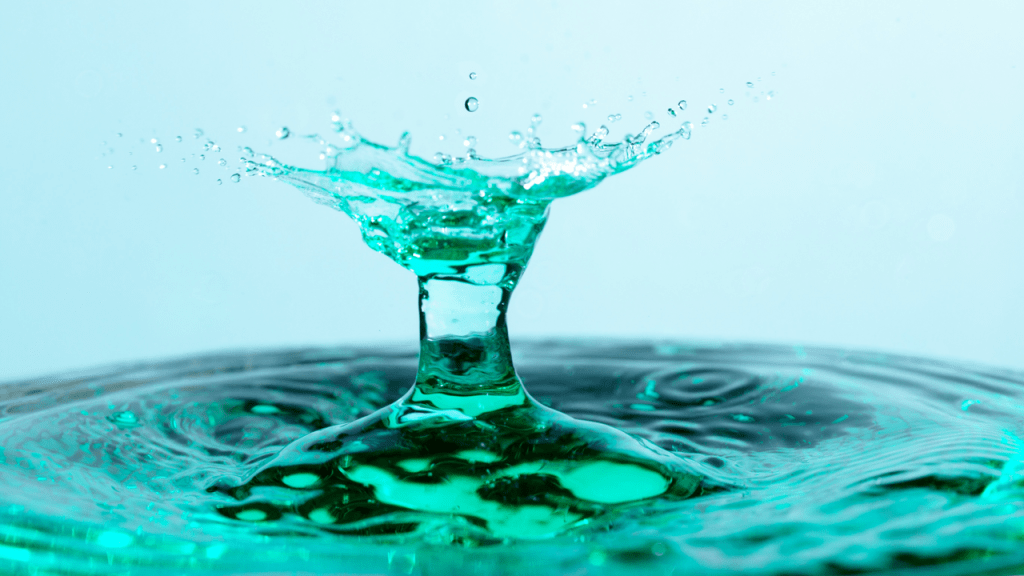
Photo by Sippakorn Yamkasikorn on Unsplash.
This article was crafted with a touch of AI to bring fluid dynamics to life.

 Rogue Currents
Leave a comment